Honoring the Best of Consulting Engineering since 1989.

Project | 2026 Winner | 2026 Energy & Industry
2026 Award of Excellence
1,230 MW Site C Clean Energy Project: Temporary Civil Works Detailed Design and Construction Monitoring
Owner: BC Hydro | Fort St. John, BC
About the Project
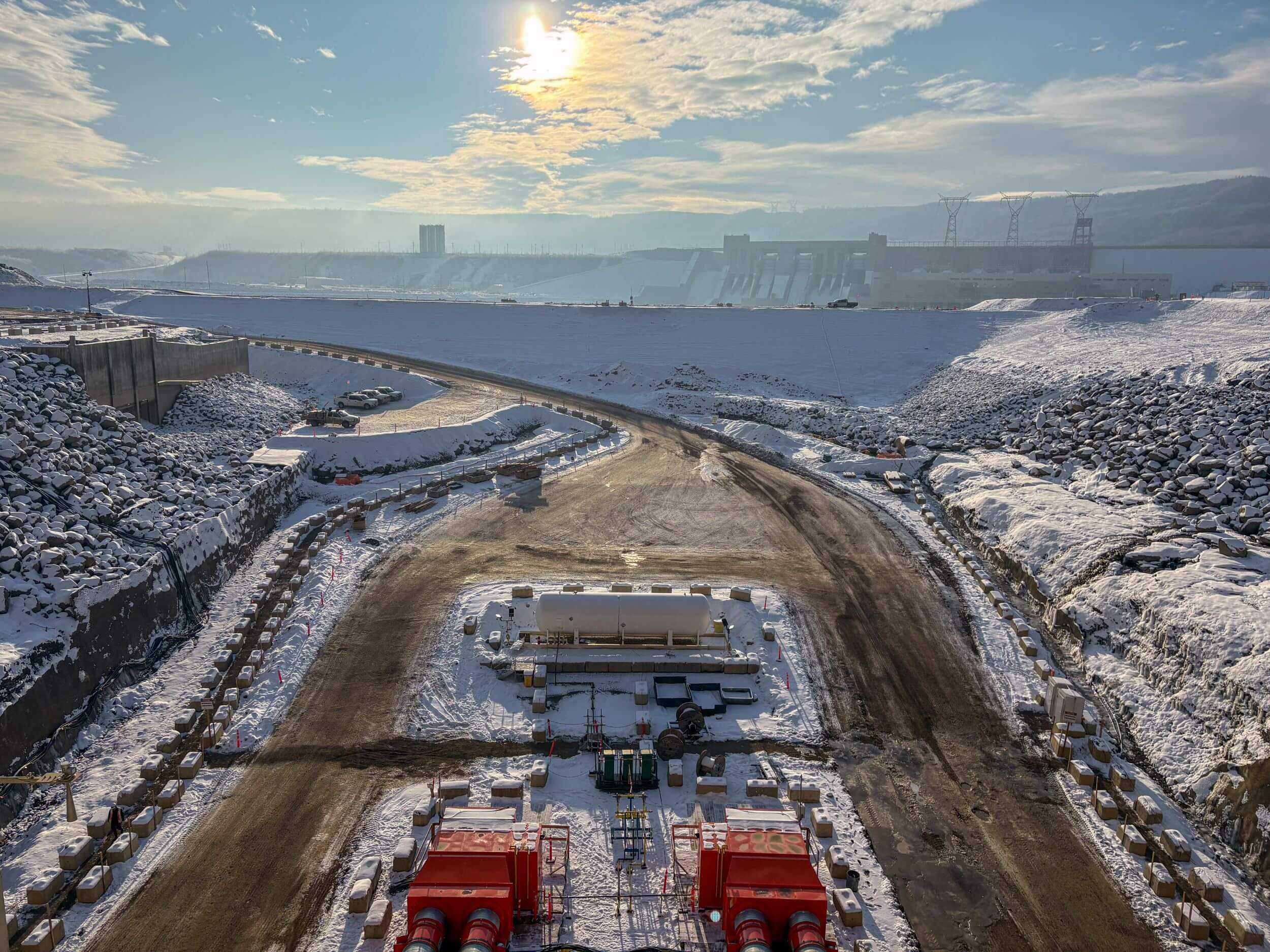
The Site C Clean Energy Project is a 1,230 MW hydroelectric development on the Peace River in northeastern British Columbia and one of the largest infrastructure projects ever undertaken in Canada. Owned by BC Hydro, the project delivers approximately 5,100 GWh of renewable electricity annually—enough to power about 450,000 homes—supporting the province’s long-term energy security and decarbonization goals. The facility was fully commissioned in August 2025.
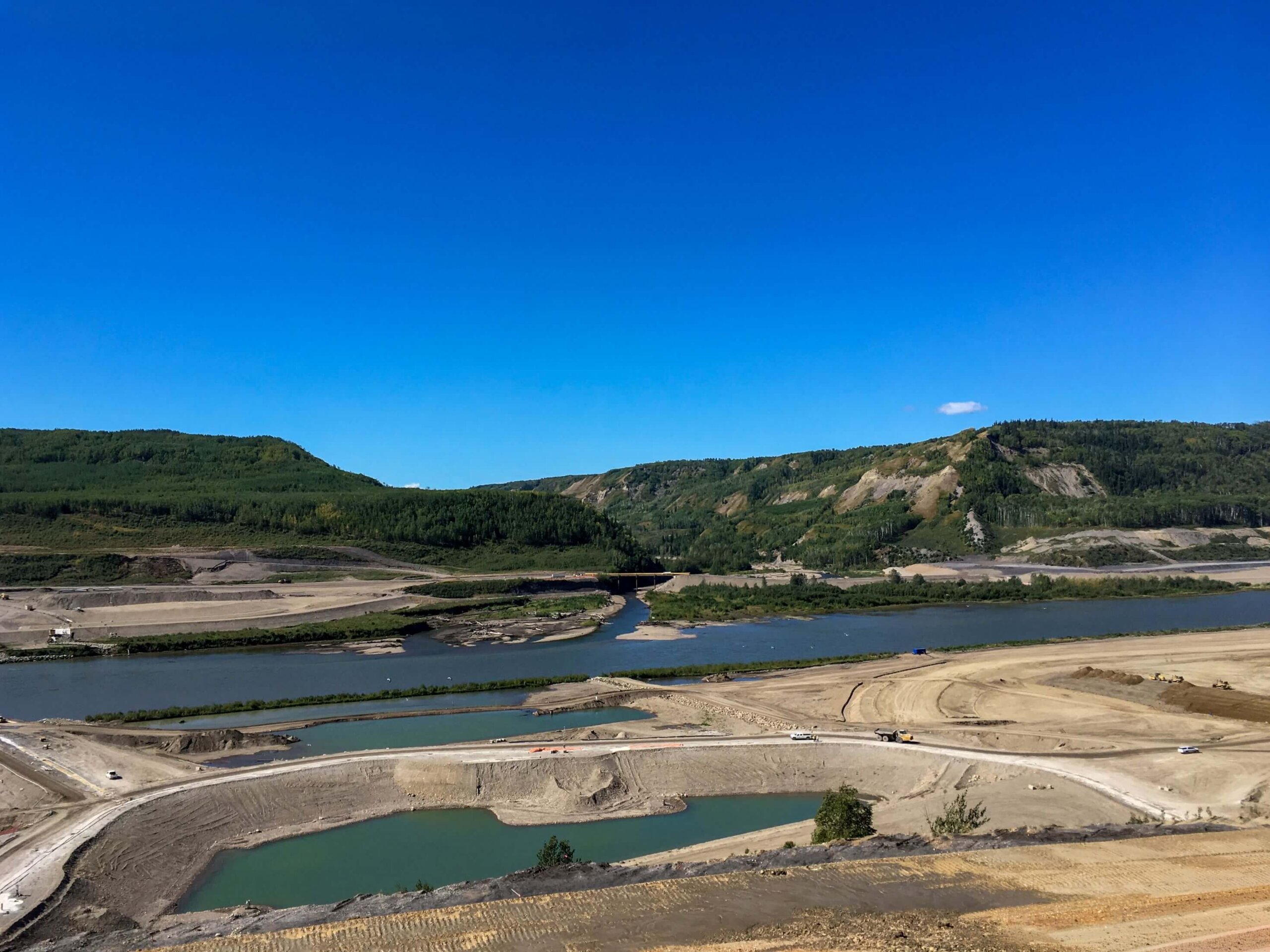
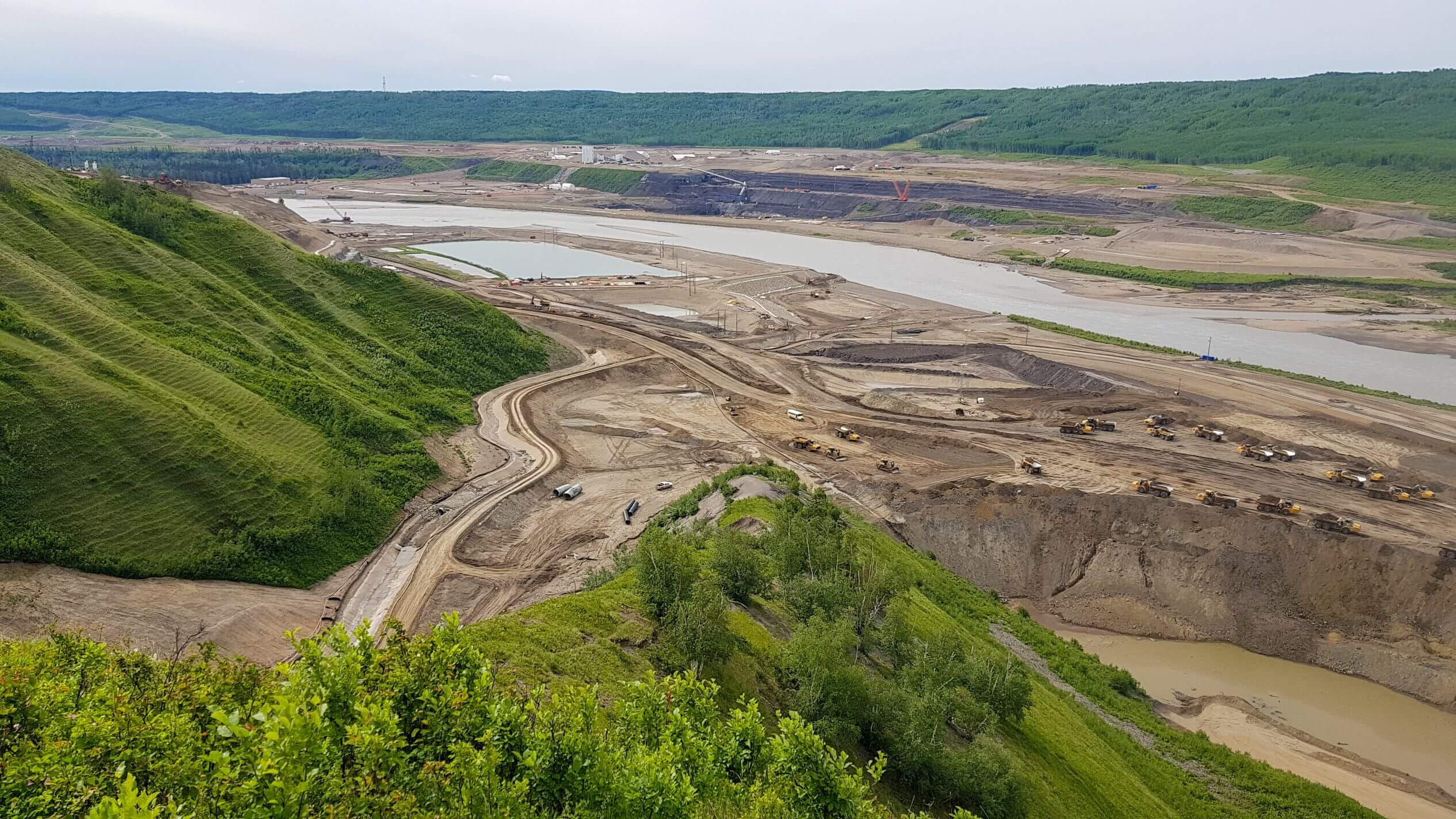
Knight Piésold served as lead designer for the main civil works contractor, Peace River Hydro Partners (PRHP), with responsibility for a wide range of high-consequence temporary civil works that were essential to enabling construction of the permanent dam, generating station, and spillways. These works included large diversion cofferdams, river diversion infrastructure, site-wide care-of-water systems, temporary excavations, slope stabilization, mechanically stabilized earth walls, haul roads, a 4.5-kilometre till conveyor corridor, and engineered spoil and borrow areas, including facilities for the containment of potentially acid-generating (PAG) materials.
The temporary works functioned as critical infrastructure, safely controlling a major river system and creating dry, stable working conditions under challenging hydraulic, geotechnical, and environmental conditions. Knight Piésold supported the project over approximately 14 years, from early permitting studies through construction, commissioning, and rehabilitation, providing continuity of technical leadership. Through integrated geotechnical, hydraulic, structural, and environmental engineering, Knight Piésold enabled safe construction, regulatory compliance, and the successful delivery of a nationally significant clean energy project with enduring value for British Columbia.
Approach
Knight Piésold delivered technically robust, adaptable engineering solutions for high-risk infrastructure. Early permitting involvement included sediment transport and fluvial geomorphology studies, informing environmental assessments and establishing a defensible technical foundation for design.
During detailed design and construction, Knight Piésold served as lead designer for PRHP using an integrated design-construction model. Multidisciplinary teams embedded with the contractor enabled daily coordination, rapid response to evolving ground conditions, and alignment between design intent, constructability, and safety. Temporary works—including diversion cofferdams, excavations, and slope stabilization—were designed using conservative criteria supported by comprehensive investigation, instrumentation, and monitoring.
Instrumentation-driven design allowed real-time assessment of seepage, pore pressures, and deformation, enabling adaptive management of construction sequencing and risk mitigation. Environmental protection was integral, with water management systems and containment facilities designed to manage extreme weather events and PAG materials in regulatory compliance.
Close collaboration with BC Hydro, PRHP, regulators, and Indigenous representatives ensured transparency and continuity from early studies through rehabilitation. This integrated approach transformed construction challenges into opportunities to enhance safety, resilience, and project performance.
Results
The Site C Clean Energy Project was successfully commissioned in 2025, delivering 1,230 MW of reliable, renewable electricity to British Columbia. The temporary works designed by Knight Piésold performed safely, enabling river diversion and dam construction under extreme conditions. The project’s legacy lies in advancing best practices for high-consequence construction-stage engineering while supporting long-term clean energy, environmental stewardship, and economic resilience for the province.
Service(s) Provided
• Stage 1 and Stage 2 diversion cofferdams (6 in total) and EOR role
• Instrumentation design of large cofferdams
• Geotechnical site investigation for EPC work scope
• Slope stability analysis and permanent MSE wall design
• Design of material spoil storage areas
• Site wide construction water management infrastructure and temporary diversion works including sediment pond, water retention ponds and PAG treatment ponds
• Access roads including haul and temporary construction access roads
• Quarry development design and certification
• Debris handling facility and debris boom designs for both Peace River and Moberly River
• Roller compacted concrete spillway mix designs
• Thermal analysis and control design
• Rock and overburden slope support
• Construction access design
• Mechanically stabilized earth walls including construction equipment and crane pads
• Dewatering works design
• Conveyor corridor and foundation design
Go back to projects in
View other projects from